
Integrated Commercial Roofing in Glen Mills, PA
Class Roofing provides commercial roofing in Glen Mills, PA for professional offices, retail properties, institutional buildings, service facilities, and other managed commercial sites. Roofing work is planned around roof configuration, drainage, building access, surrounding landscaping, and operational priorities, helping property owners maintain dependable protection while addressing wear before it affects active interior spaces.
Detailed. Organized. Property-Aware.
Coordinated Commercial Roofing in Glen Mills, PA Properties
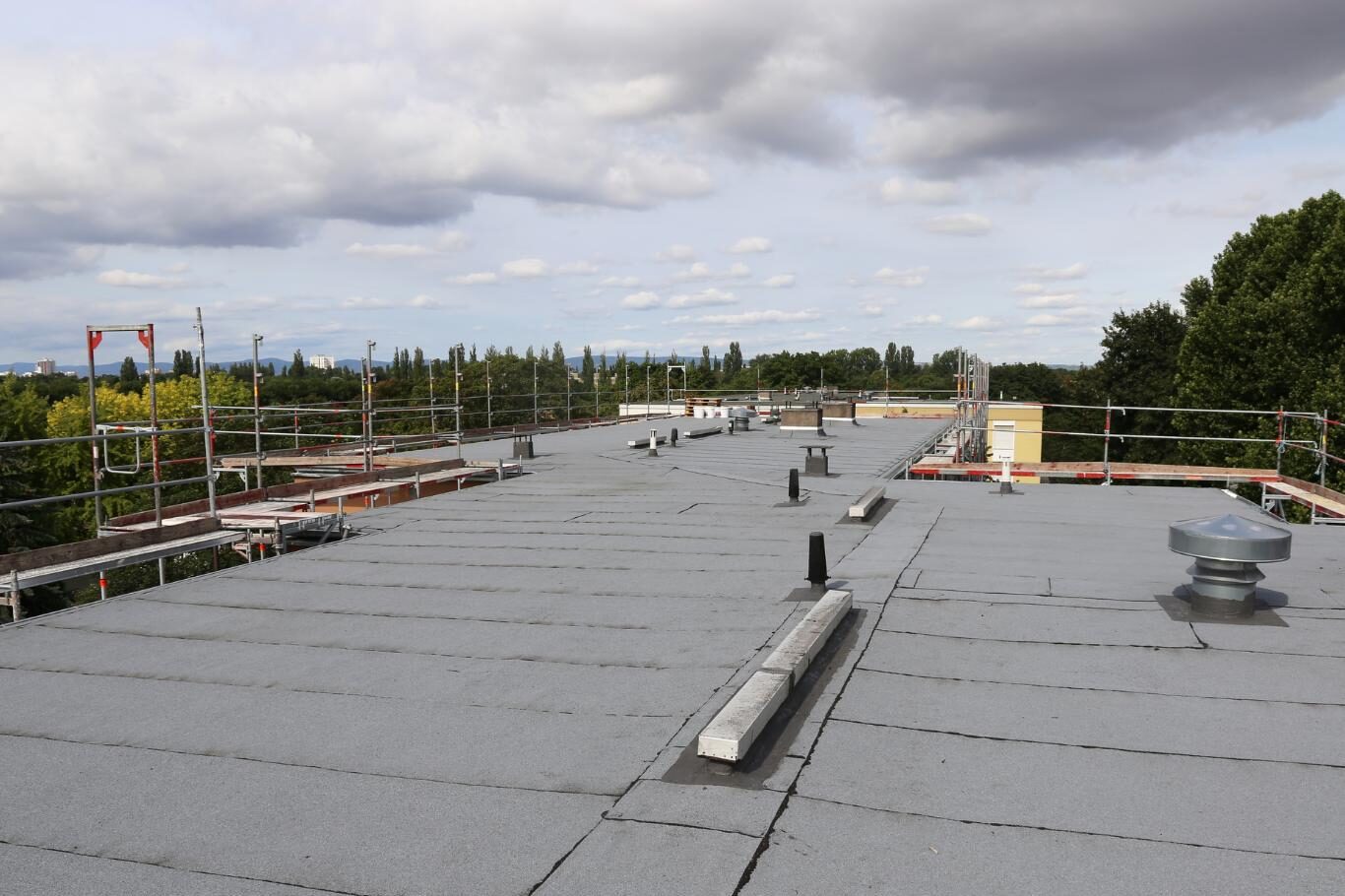
- Planning for Expansive and Multi-Section Roofs: Commercial buildings with additions, varying elevations, mechanical areas, or broad roof surfaces can develop different wear patterns across the same property. Class Roofing evaluates transitions, drainage zones, seams, and penetrations individually so roofing work responds to the actual condition of each section.
- Careful Service Around Landscaped Business Sites: Many properties in Glen Mills, PA include parking areas, mature trees, landscaped entrances, walkways, and customer-facing grounds. Class Roofing plans material staging and access carefully to keep roof work organized around these maintained exterior spaces.
- Attention to Areas Affected by Rooftop Traffic: HVAC servicing, inspections, and other maintenance can create repeated foot traffic around mechanical units and access paths. Class Roofing pays close attention to these high-use roof areas, where surface wear, seams, or flashing details may deteriorate differently from less-traveled sections.
Protection. Efficiency. Foresight.
How Commercial Roof Performance Affects Glen Mills Facilities
- Preventing Localized Problems From Reaching Occupied Areas: Moisture entering through one seam, curb, or roof transition can travel before appearing inside the building. Property owners using commercial property roofing can address vulnerable exterior areas before ceilings, workspaces, equipment, or tenant areas are affected.
- Managing Debris Around Tree-Covered Properties: Mature trees can contribute leaves, branches, shade, and organic buildup around drains or low sections. Keeping these areas functioning properly helps reduce trapped moisture and prevents drainage restrictions from placing added stress on surrounding roofing materials.
- Supporting Long-Term Facility Improvements: Integrated Commercial Roofing in Glen Mills, PA helps owners understand roof condition before scheduling solar equipment, HVAC changes, façade work, or tenant renovations. Identifying roofing concerns first makes it easier to coordinate improvements without creating difficult access problems or exposing new work to unresolved moisture issues.
Frequently Asked Questions
Leaves, twigs, and organic debris can gather around drains and low areas, slowing water movement after rain. Persistent buildup may increase moisture exposure on nearby roofing materials. Class Roofing evaluates drainage zones and surrounding roof conditions to help property managers identify areas that may need attention.
Yes, technicians repeatedly walking the same routes can place added stress on roofing surfaces near equipment, access points, and service areas. Class Roofing reviews these high-traffic sections, seams, and equipment curbs so property owners can address localized wear before it develops into a larger roofing concern.
Yes, existing roof condition, drainage, flashing, and remaining problem areas should be understood before solar equipment is installed. New systems may limit future access. Class Roofing helps property owners identify visible roofing concerns first so planned rooftop upgrades are easier to coordinate.