
Structured Commercial Roofing in Swarthmore, PA
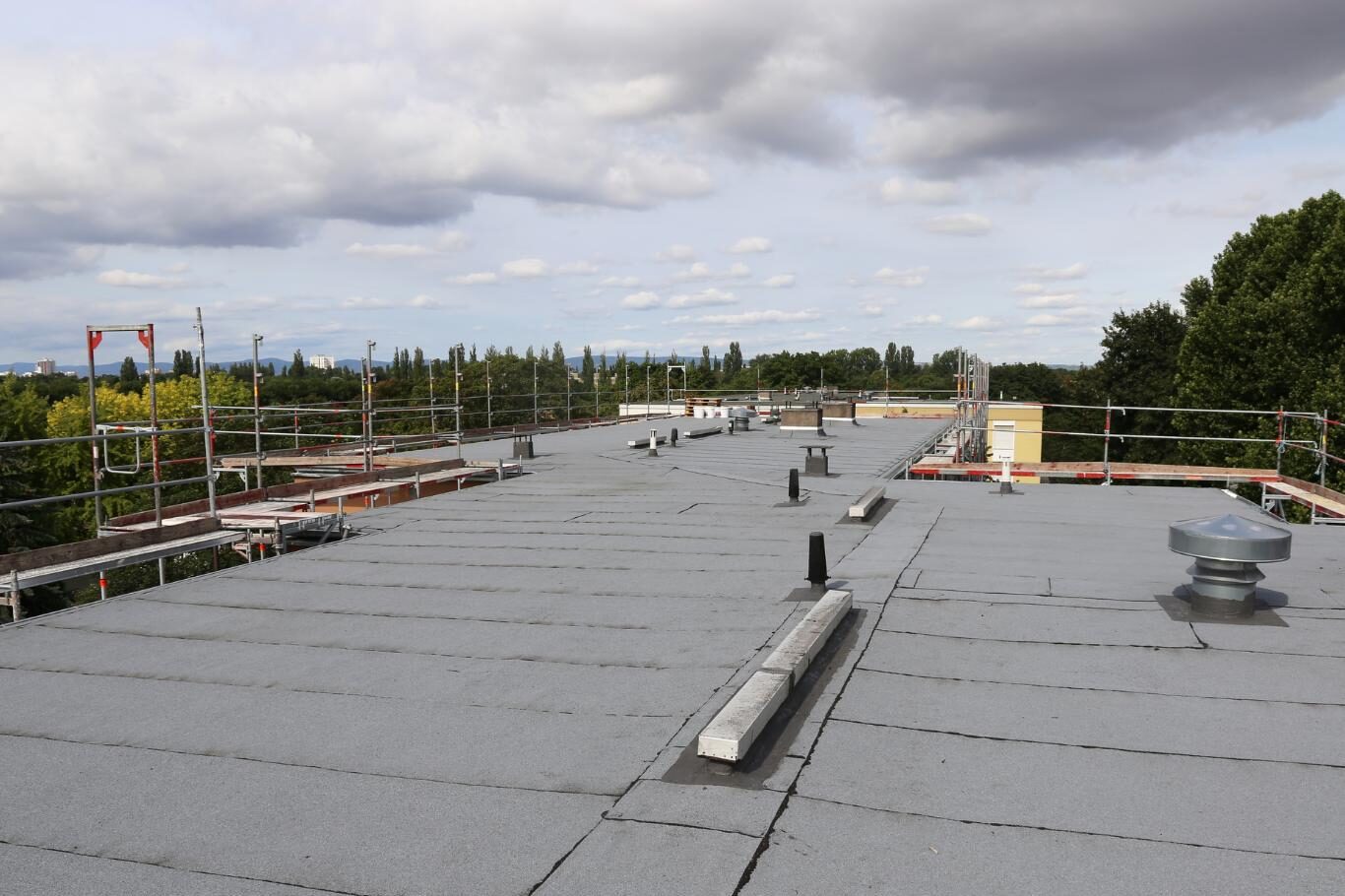
Class Roofing provides Structured Commercial Roofing in Swarthmore, PA for storefronts, professional offices, institutional properties, mixed-use buildings, and other managed facilities. Roofing service is organized around drainage, roof access, occupied spaces, transition details, and maintenance priorities, helping property owners address developing concerns while keeping everyday building use and future facility planning in view.

Organized. Observant. Property-Specific.
How Class Roofing Approaches Structured Commercial Roofing in Swarthmore, PA
- Roof Sections Evaluated by Function: A commercial roof may include drainage zones, mechanical areas, access routes, wall connections, and sections added at different times. Class Roofing looks at how these areas interact instead of treating the roof as one uniform surface, helping property managers focus attention where conditions differ most.
- Service Planning Around Shared Access: Retail, office, institutional, and mixed-use properties can depend on common sidewalks, entrances, employee routes, or service areas. Class Roofing considers how people move around the building before staging work, allowing roofing activity to be coordinated with the practical needs of an occupied commercial site.
- Maintenance Records That Support Future Decisions: Knowing where previous leaks, repairs, or recurring drainage concerns occurred can make later roof evaluations more useful. Class Roofing incorporates available maintenance history with current visible conditions so property managers can track problem areas instead of repeatedly approaching each service visit without context.
Awareness. Continuity. Preparedness.
Why Structured Commercial Roofing in Swarthmore, PA Matters for Managed Properties
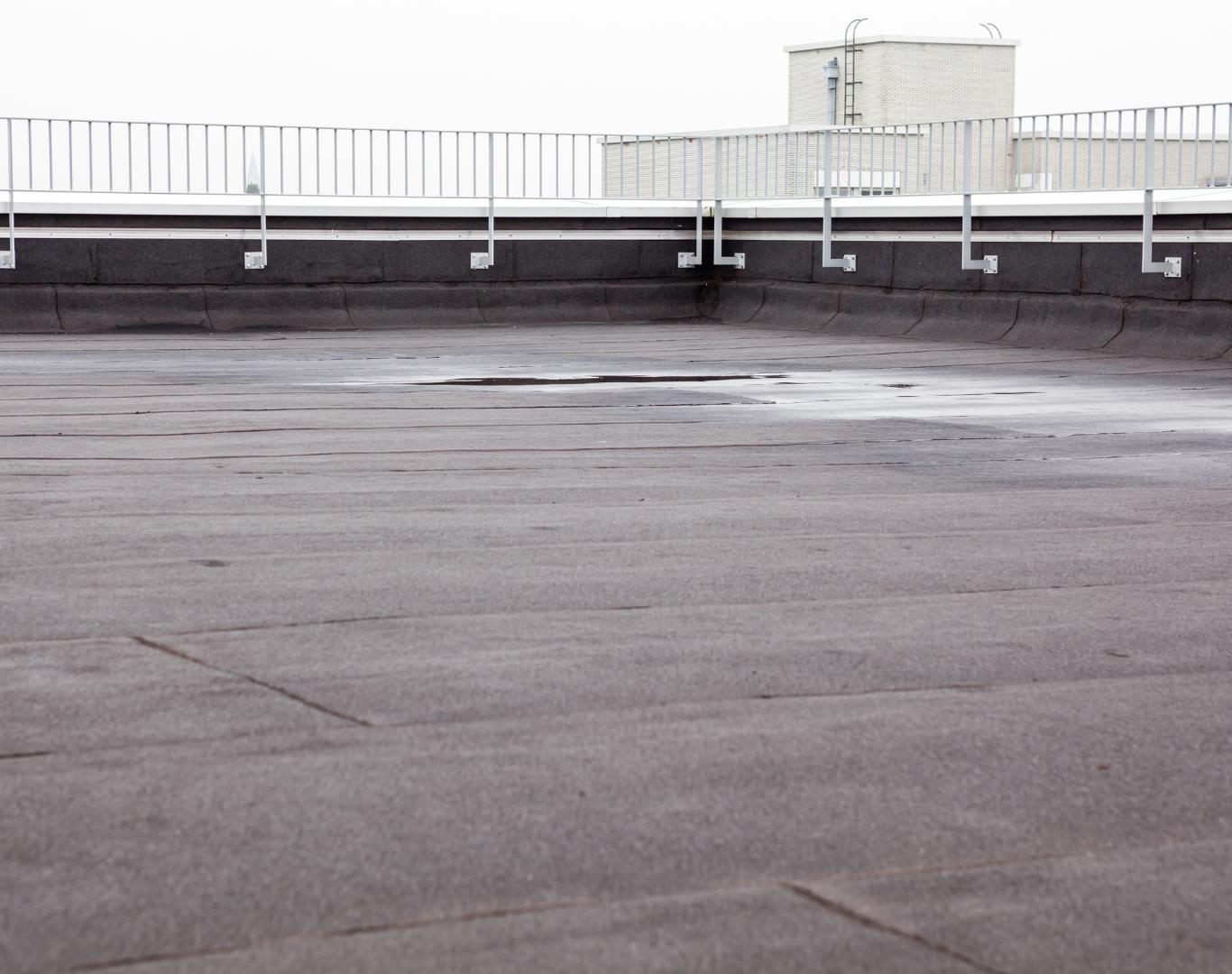
- Managing Water Near Roof-to-Wall Connections: Commercial buildings with parapets, adjoining sections, raised walls, or mechanical enclosures create transition points where drainage and flashing deserve extra attention. When these areas deteriorate, moisture can travel behind finishes or beneath roofing materials before an obvious interior symptom appears.
- Protecting Spaces With Different Occupancy Needs: One building may contain offices, customer areas, storage rooms, classrooms, or shared corridors beneath the same roof. A developing roofing issue can therefore affect several uses at once, making timely maintenance important for keeping interior spaces functional and reducing avoidable disruption.
- Coordinating Roof Care With Local Property Work: Commercial property owners in Swarthmore, PA may need to coordinate roofing with other maintenance or improvement projects. Planning commercial roof service before exterior or rooftop changes can help identify existing concerns while access remains straightforward.
Frequently Asked Questions
Property managers should look for changes around access paths, penetrations, equipment curbs, flashing, seams, and areas where materials or tools were staged. Even unrelated rooftop work can affect nearby roofing details. Class Roofing can evaluate visible conditions afterward and identify areas that may need closer roofing attention.
Yes. Water repeatedly spilling near roof edges, gutters, scuppers, or discharge points can affect façades, walkways, entrances, and nearby exterior finishes. Class Roofing can evaluate the roof’s drainage path and surrounding details to help determine whether restricted drainage, low areas, or another roofing condition is contributing to the overflow.
Reviewing roof condition early can be useful before funds are committed to façade upgrades, mechanical work, interior renovations, or other major improvements. Class Roofing can identify visible drainage, flashing, surface, or transition concerns so roofing needs can be considered alongside the property’s broader maintenance and improvement priorities.